It's bedtime. Your little one has two shiny new teeth, a wiggly body, and zero interest in that tiny toothbrush. Sound familiar? Learning how to brush baby teeth can feel a little awkward at first, for both of you. The good news? It gets easier fast. Here's the simple routine our team at Pediatric Dental Specialists shares with Chandler and Gilbert families every week.
When to Start Brushing Baby Teeth
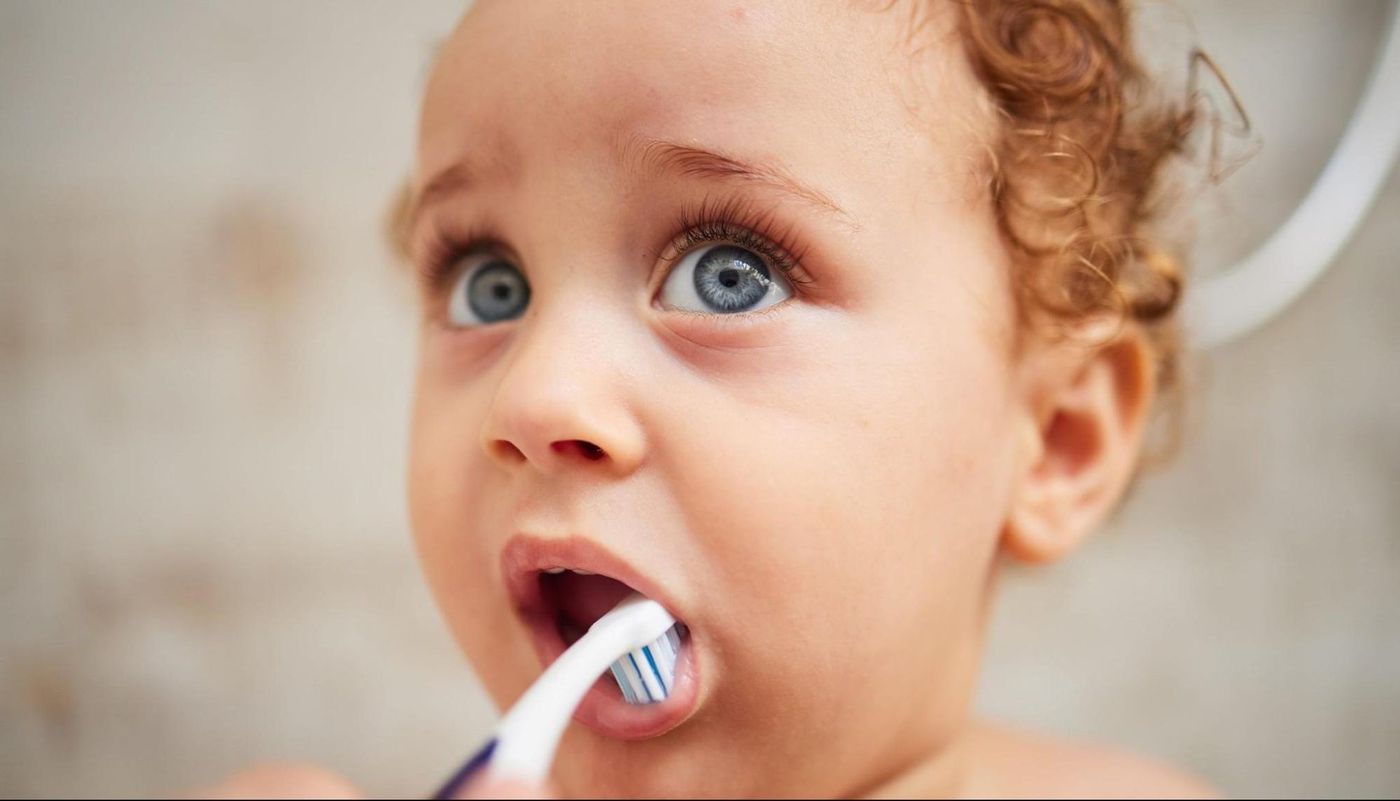
Start sooner than you might think. Before any teeth show up, wipe your baby's gums with a soft, damp cloth after feedings. Many Chandler parents fold this into the bedtime bottle routine. Once the first tooth pops through, usually a bottom front tooth around six months, it's time for a real toothbrush. The American Dental Association's toothbrush guide agrees that brushing should begin as soon as that first tooth erupts (breaks through the gum). Choose soft bristles and a small head. Tiny mouths need tiny tools.
How Much Fluoride Toothpaste for Toddlers and Babies?
Fluoride is a natural mineral that makes enamel, the hard outer layer of each tooth, stronger. For children under three, use just a smear about the size of a grain of rice. Around your child's third birthday, move up to a pea-sized dab. That's all it takes. The American Academy of Pediatric Dentistry's parent FAQ recommends these same amounts and suggests teaching kids to spit out the extra as they get older. A little goes a long way.
How to Brush Baby Teeth: A Simple Plan
Brushing goes best when it feels calm and predictable. This quick routine works for most East Valley families:
- Pick a comfy position. Sit on the couch or floor and rest your baby's head in your lap so you can see every tooth.
- Lift the lip gently. Use small circles along the gumline, where sticky plaque (a soft film of germs) likes to hide.
- Brush twice a day. Morning and bedtime are the easiest times to remember. The bedtime brush matters most.
- Aim for about two minutes. A favorite song makes the time fly by.
- Make it a game. Count teeth out loud, let your toddler brush a stuffed animal first, or take turns holding the brush.
Making Brushing Fun for Wiggly Toddlers
Some nights, your toddler will clamp their mouth shut. That's completely normal. Try letting them pick between two toothbrushes, or brush in front of a mirror so they can watch the bubbles. Plenty of Gilbert parents find a silly song or a sticker chart turns the nightly standoff into a game. New teeth keep arriving until about age three, and WebMD's guide to your child's teeth includes a handy chart showing when each one usually appears. Praise every small win. You'll find more quick answers on our patient FAQ page.
Frequently Asked Questions
Q: Do I really need to brush if my baby only has one tooth? A: Yes. One tooth can still get a cavity, and early brushing helps your baby get used to the feeling. A soft brush and a rice-sized smear of toothpaste is plenty.
Q: Is it okay if my toddler swallows a little toothpaste? A: A rice-sized smear is a very small amount, so an occasional swallow isn't a worry. Keep the tube out of reach and practice spitting together as your child grows.
Q: When should my baby see a dentist? A: Plan a visit by the first birthday or within six months of the first tooth. Our board-certified pediatric dentists love meeting babies early, and these visits are quick, gentle, and full of smiles.
Brushing Baby Teeth Gets Easier With Practice
Now you know how to brush baby teeth with confidence: start early, use just a smear of toothpaste, and keep things light and playful. Every brush builds a habit. If you have questions or your little one is ready for a first checkup, schedule a visit at our Chandler, Gilbert North, or Gilbert South office. We can't wait to meet that tiny smile.