
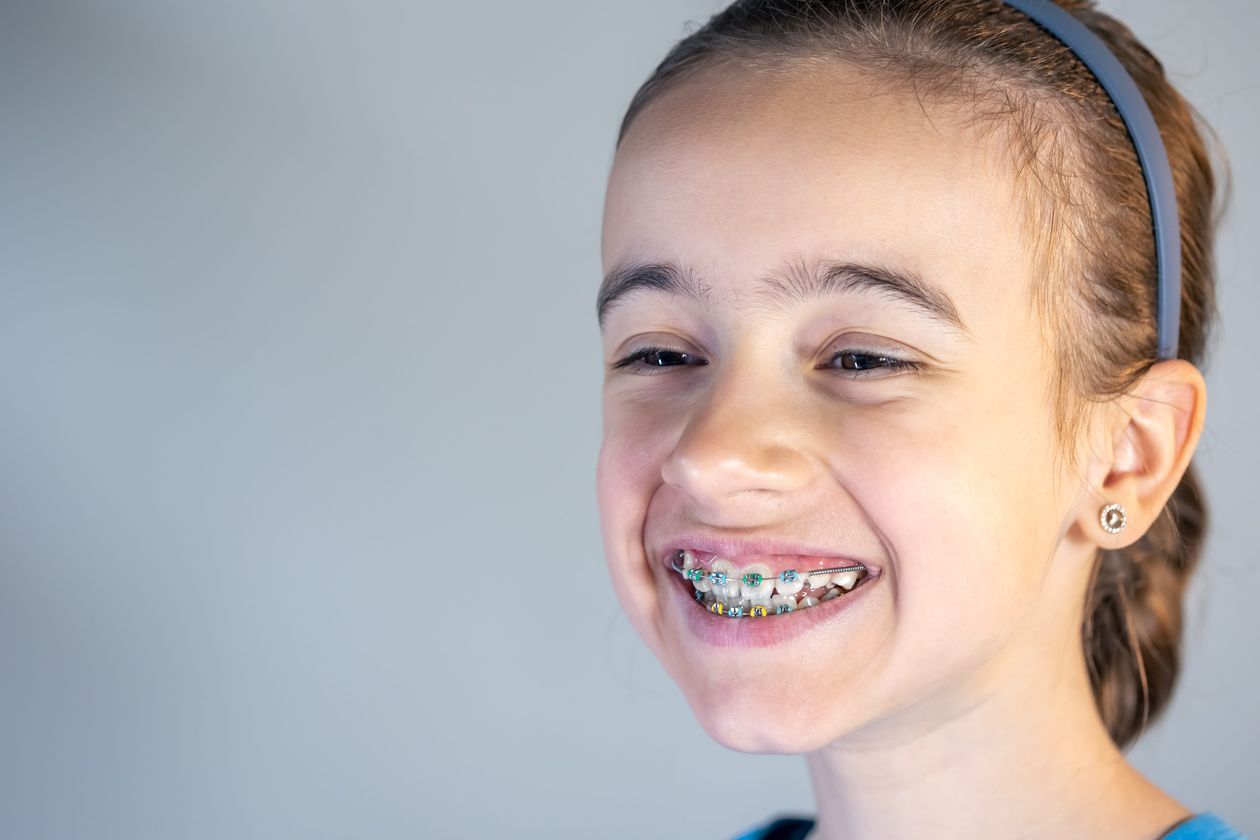
Early Orthodontic Treatment: A Simple Guide for East Valley Parents
You catch your child's smile and notice the front teeth look crowded, or the top and bottom don't quite line up. That small moment sends many East Valley parents searching for answers about early orthodontic treatment. Early orthodontic treatment simply means gently guiding a child's jaw and teeth while they are still growing, long before every adult tooth arrives. It isn't about braces at age seven. The goal is a healthy start. No pressure. A calm first visit is a lovely place to begin.
What Early Orthodontic Treatment Really Means
Early orthodontic treatment, sometimes called Phase 1 or interceptive care, uses small appliances to shape how the jaw grows. It usually happens between ages 6 and 10, while baby and adult teeth share the mouth. Think of it as steering, not straightening. A pediatric dentist might use a gentle expander, a space maintainer, or a habit appliance to guide teeth into better spots. Families across Gilbert and Chandler ask us about this often. The American Dental Association even warns against DIY teeth straightening, which can harm a young smile. Leave it to the pros.
more
When Do Baby Teeth Fall Out? A Parent's Simple Timeline
Your kindergartner wiggles a bottom front tooth at dinner, then announces it's loose. Cue the excitement. Cue the questions too. So when do baby teeth fall out, and how do you know your child is on schedule? Most kids start around age six and finish near age twelve. Here's the timeline East Valley parents ask us about most, plus what we look for at every routine checkup.
When Do Baby Teeth Fall Out, and in What Order?
Baby teeth usually leave in the same order they arrived. The two bottom front teeth go first, often between ages six and seven. The top front teeth follow soon after. Canines and back molars hang on much longer, sometimes to age twelve. WebMD keeps a clear primary teeth chart that lists each tooth and its shedding window. Timing varies a lot. A Gilbert first grader with a gap at five and a half isn't rushing things, and a classmate still waiting at seven isn't behind.
Why Loose Teeth Happen When They Do
A permanent tooth pushes up from underneath and slowly dissolves the baby tooth's root. Once that root is gone, the tooth wiggles free on its own. It's a slow process. That's why a loose tooth can hang around for weeks, and why a little pink at the gumline is nothing to worry about. The American Academy of Pediatric Dentistry notes in its parent FAQ that baby teeth also save space so permanent teeth arrive where they belong. Plenty of Chandler kids lose that first tooth right around school picture day.
more
Is Thumb Sucking Hurting Your Child’s Teeth? What East Valley Parents Should Know
Your toddler drifts off in the car seat, thumb tucked snugly in her mouth. It is a sweet, soothing sight, but many parents quietly wonder whether thumb sucking is changing their child’s teeth. You are not alone. This is one of the most common questions parents ask us during a child’s first dental visit, and the real answer brings a lot of relief for East Valley families.
Why Thumb Sucking Affects Your Child’s Teeth
Thumb sucking is completely normal. Babies are born to suck, and it helps them feel calm and safe. Most children ease off on their own between ages 2 and 4, well before their permanent teeth arrive. Timing is everything. Long, frequent, and forceful sucking after the front teeth come in can push them forward, narrow the upper jaw, and change the way the top and bottom teeth meet. A helpful overview of children’s oral health from WebMD explains that the effect depends on how hard and how often a child sucks, not the habit by itself.
A Simple Plan to Help Your Child Stop Thumb Sucking
You can guide this gently, without a daily battle. Calm support works far better than scolding. This quick plan helps most families in Chandler and Gilbert:
more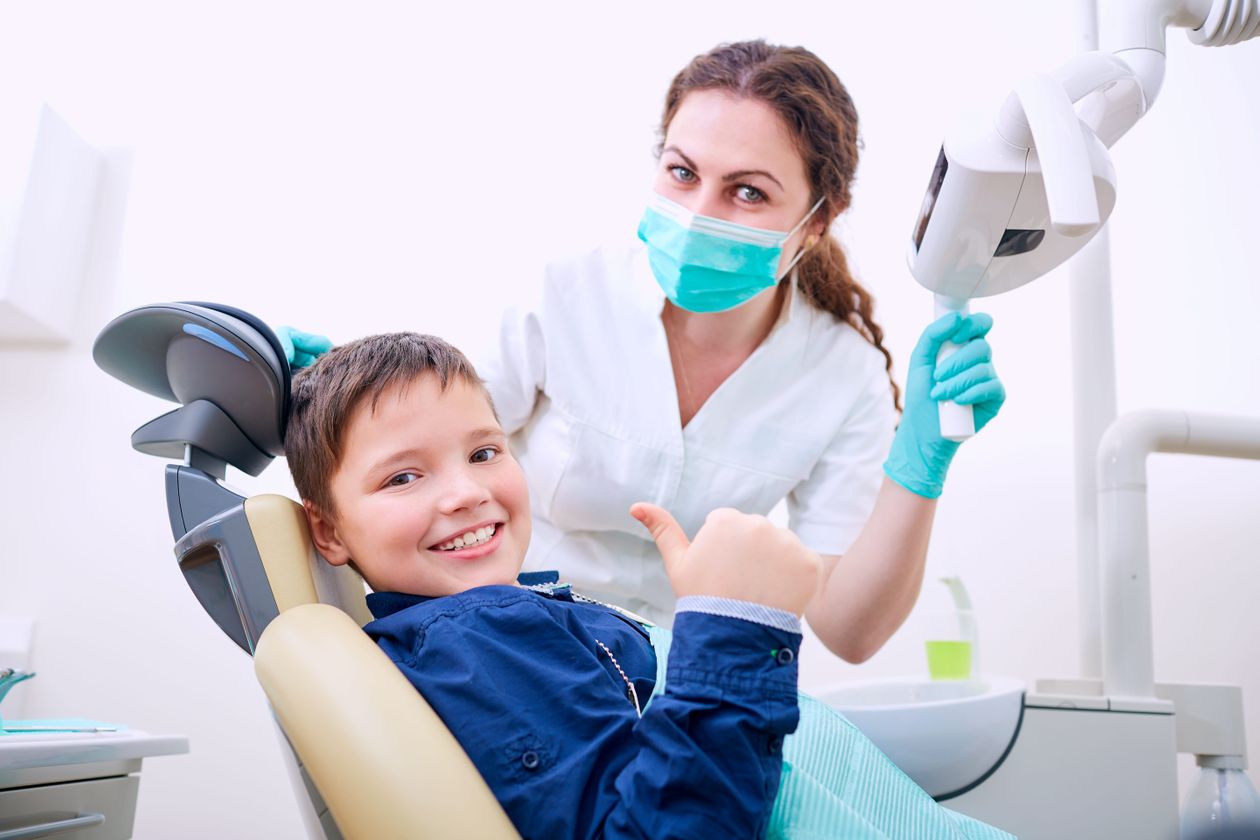
Your Child's First Visit to a Children's Dentist in Gilbert, AZ
Your toddler just sprouted a new tooth, and suddenly you're wondering when that first dental appointment should happen. Finding a children's dentist in Gilbert, AZ can feel like one more thing on an already full parenting plate. The good news? That first visit is usually short, gentle, and even a little fun. Here's what East Valley families can expect when they walk through the doors at Pediatric Dental Specialists.
Why So Many Families Choose a Children's Dentist
Training Made for Little Patients
A children's dentist completes two to three extra years of training after dental school, all focused on kids. The American Academy of Pediatric Dentistry even recommends a first checkup by your child's first birthday. Early matters.
A Space Built for Comfort
Everything is sized for small bodies, from the chairs to the toothbrushes. Our team explains each step in playful, simple language so nothing feels scary. Many Gilbert parents tell us their child actually asks when they get to come back.
more
What Parents in Chandler and Gilbert Should Know About Pediatric Dentists
Your child's dentist appointment is coming up, and you're not sure whether your regular family dentist is the right fit anymore. Maybe your five-year-old is getting anxious in the chair, or your pediatrician just mentioned an early orthodontic concern. It's a question a lot of East Valley parents find themselves asking: does my child actually need a pediatric dental specialist, or is any dentist fine?
Here's what the research and the experts say.
The Difference Between a Pediatric Dentist and a General Dentist
Extra Training Focused Entirely on Kids
A pediatric dentist isn't just a dentist who sees children. After completing dental school, a pediatric specialist completes two to three additional years of residency training focused specifically on child development, childhood oral diseases, behavior guidance, and treating children with special needs. That training changes how they communicate with a scared six-year-old, how they recognize early developmental concerns, and how they structure a visit so kids leave feeling good about it.
Why Developmental Knowledge Matters
more
Does My Child Need Braces? Signs Every Parent Should Know
Is your child's smile developing the way it should? Crooked teeth, bite problems, and jaw misalignment are more common than you might think — and catching them early makes all the difference. At Pediatric Dental Specialists, we specialize in pediatric orthodontics in Gilbert and Chandler, AZ, helping families identify and address these concerns before they become more complex. Here's what every parent needs to know.
1. When Should Your Child First Be Evaluated for Braces?The Right Age for an Orthodontic Checkup
Most dental professionals, including the American Association of Orthodontists, recommend that children have their first orthodontic evaluation around age 7. At this age, a mix of baby and permanent teeth gives your dentist valuable insight into how your child's bite and jaw are developing — before problems fully set in.
Early Action Means Simpler Treatment
An early evaluation doesn't automatically mean braces right away. Often, it's about monitoring growth and intervening at exactly the right time. Our board-certified pediatric dentists track your child's development at every visit and flag orthodontic concerns early, so treatment is less invasive and more effective.
more
Questions to Ask a Potential Dental Team
In choosing the right dental team, it is crucial to ask the right questions to ensure you receive the best care possible. Dental care is not only about handling emergencies but also about maintaining oral health over a lifetime. Whether you are switching dentists or looking for one for the first time, being well-informed can lead you to an effective dental partnership. This article outlines key questions that help you evaluate the environment and culture of a potential dental team, ultimately helping you make an informed decision. Maintaining good oral health is a vital component of a healthy lifestyle. According to the World Health Organization, the estimated global average prevalence of complete tooth loss is almost 7% among people aged 20 years or older. Working with a skilled pediatric dentist can help establish these healthy habits early in life to prevent such issues.
Verifying the Licenses of Clinical Staff
Ensuring that your dental professionals carry valid licenses and certifications is fundamental in securing reliable care. Dental licensure is a must, signifying that the practitioner has met the basic requirements. Certifications in special dental fields further indicate a commitment to advancing skills. Checking for updates or renewals in licenses also reflects dedication to compliance with current regulations. Patients feel more comfortable knowing their team adheres to specialized guidelines set forth by authoritative bodies. Staying up-to-date with the latest advancements in treatments and technology is integral for any team. Specialized training indicates the pursuit of excellence beyond foundational knowledge. Professionals committed to continuing education often provide cutting-edge care that can deal with complex needs. This ongoing learning process enhances efficiency when performing procedures. A well-trained pediatric dentist is well-equipped to implement innovative solutions for unique dental problems.
more
5 Reasons to Always Prioritize Your Children's Oral Health
Ensuring your children’s oral health is an essential part of their overall well-being and development. Healthy teeth and gums not only contribute to a bright smile but also support proper speech, nutrition, and self-confidence. Establishing good oral care habits early on can prevent a range of dental problems and promote lifelong health. As parents, understanding the importance of children’s dental care and the role of a dedicated children's dentist is key to supporting your child’s growth and happiness.
1. Prioritizing Prevention of Tooth Decay and Cavities
Tooth decay is one of the most common chronic conditions among children. It occurs when bacteria in the mouth produce acids that erode tooth enamel, leading to cavities. Regular dental visits play a critical role in preventing tooth decay, as a children's dentist can provide professional cleaning and early identification of dental issues. Fluoride, commonly found in toothpaste and sometimes in tap water, helps to strengthen enamel and prevent decay.
Fluoride is a vital tool in cavity prevention, helping to remineralize tooth enamel and reverse early signs of decay. Parents should ensure their children use fluoride toothpaste and drink water containing fluoride if available. Besides fluoride use, consistent and proper brushing and flossing routines are essential to prevent plaque buildup. Teaching children to brush properly twice a day and floss daily will help maintain their oral health. Additionally, regular visits to a children's dentist allow for professional assessment and prevention strategies tailored to individual needs.
more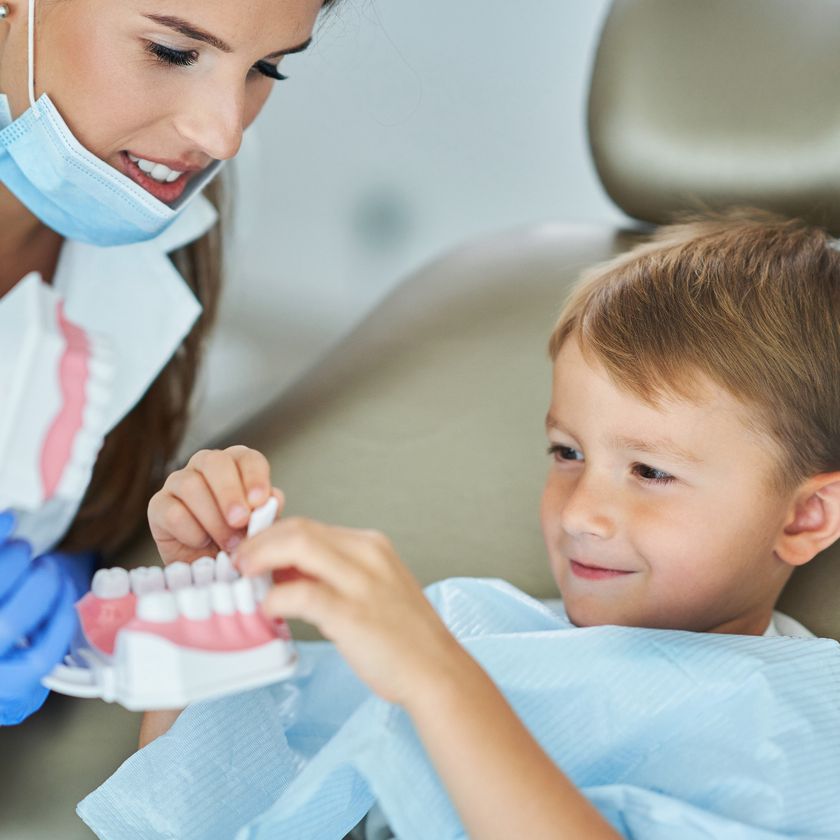
How Long Should You Wait After a Fluoride Treatment?
If your child just had a fluoride treatment, it’s completely normal to have questions about what comes next. Parents often wonder how long they should wait before their child eats, drinks, or brushes their teeth, and whether timing really makes a difference. At Pediatric Dental Specialists, these are some of the most common concerns we hear after an appointment, and the answers matter more than you might think.
more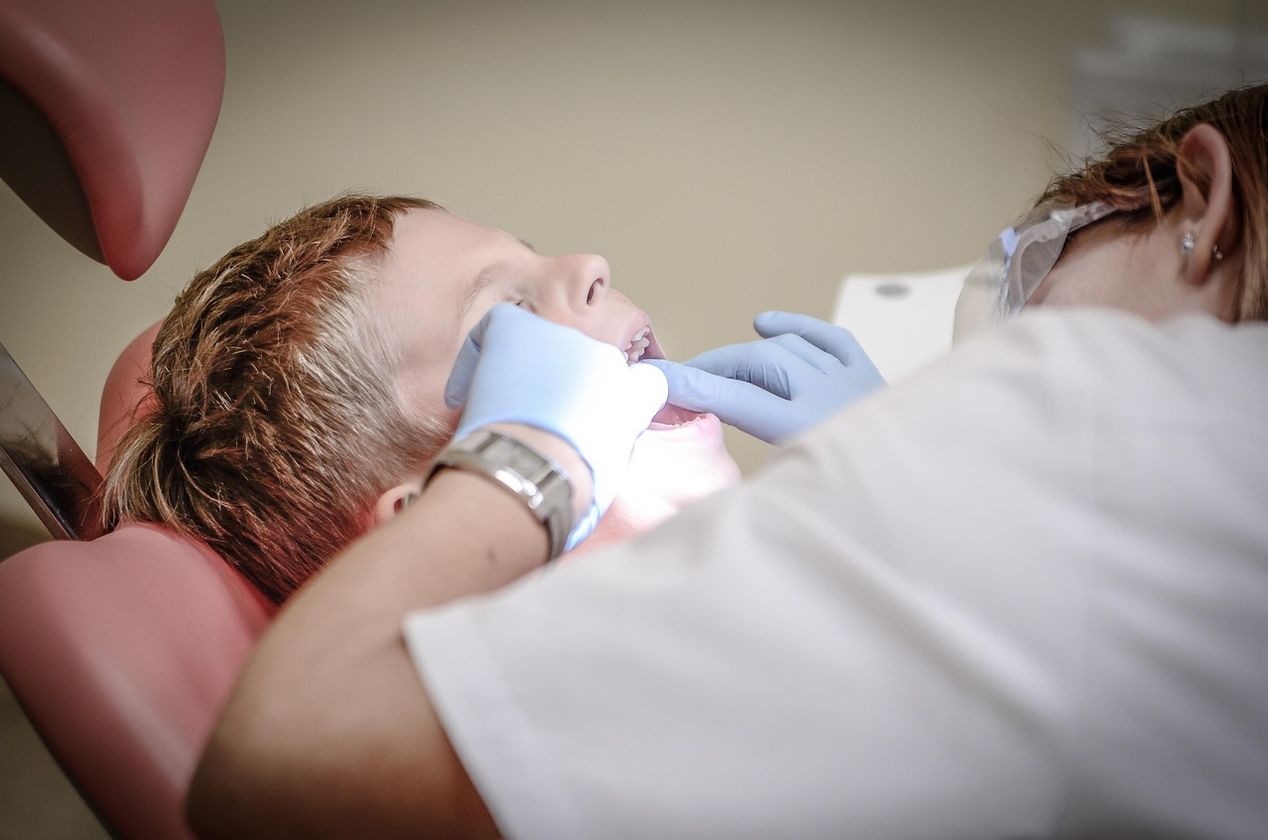
Dental Sealants for Kids: Pros and Cons to Know
Dental sealants for kids are one of the easiest and most effective ways to help children maintain healthy, cavity-free smiles. These thin, protective coatings are applied to the chewing surfaces of back teeth where brushing alone can’t always reach.
At Pediatric Dental Specialist, sealants are applied gently and quickly to make every visit comfortable and stress-free. If you’re wondering whether sealants are the right choice for your child, this guide explains how they work, their benefits, and a few factors to consider before deciding.
more