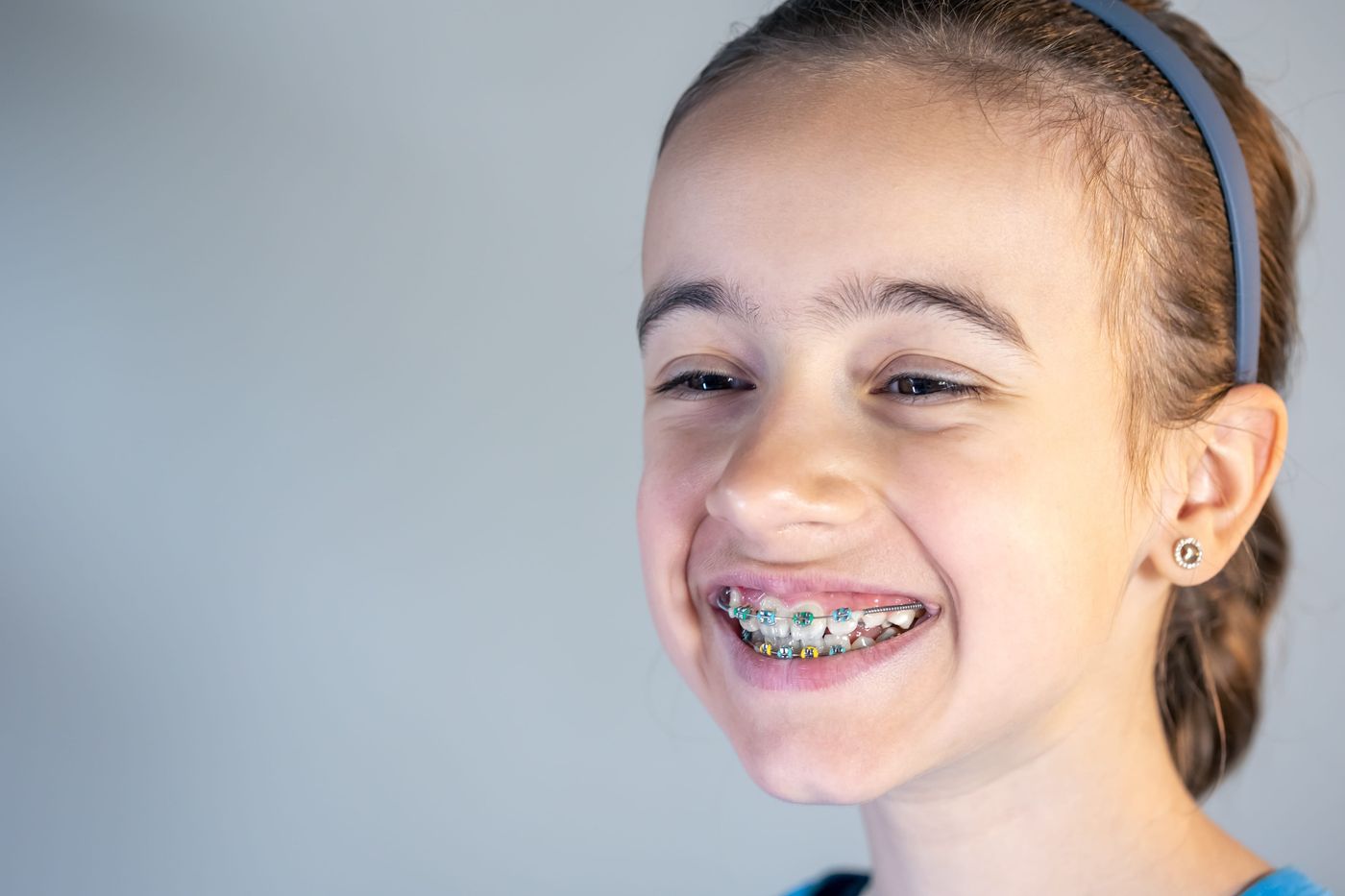
You catch your child's smile and notice the front teeth look crowded, or the top and bottom don't quite line up. That small moment sends many East Valley parents searching for answers about early orthodontic treatment. Early orthodontic treatment simply means gently guiding a child's jaw and teeth while they are still growing, long before every adult tooth arrives. It isn't about braces at age seven. The goal is a healthy start. No pressure. A calm first visit is a lovely place to begin.
What Early Orthodontic Treatment Really Means
Early orthodontic treatment, sometimes called Phase 1 or interceptive care, uses small appliances to shape how the jaw grows. It usually happens between ages 6 and 10, while baby and adult teeth share the mouth. Think of it as steering, not straightening. A pediatric dentist might use a gentle expander, a space maintainer, or a habit appliance to guide teeth into better spots. Families across Gilbert and Chandler ask us about this often. The American Dental Association even warns against DIY teeth straightening, which can harm a young smile. Leave it to the pros.
Signs Your Child Might Benefit
Every child grows at their own pace, so try not to worry. Still, a few signs are worth a closer look. Crowded or overlapping front teeth are common. So are a crossbite, an open bite, or trouble chewing. Some kids breathe through the mouth or keep a thumb habit past age five. Baby teeth that fall out very early or very late can matter too. WebMD notes that x-rays around age six help track adult teeth forming in the jaw. When in doubt, a quick look with your child's pediatric dental home can ease your mind. Trust your gut.
Why an Early Check Helps
Here is the reassuring part. An early check doesn't always lead to braces. Most young patients simply need watching over time. Many orthodontic guidelines suggest a first look around age seven, when the first adult molars and front teeth come in. The jaw is still soft and easy to guide then. The American Academy of Pediatric Dentistry notes that a mouth appliance may help when a thumb habit lingers past age three. Catching things early can mean shorter, simpler treatment later. Small steps now, big payoff.
Your Simple Early Treatment Plan
Getting started is easier than most parents expect. Here is the path we walk with East Valley families:
Book a friendly checkup. A relaxed exam lets us meet your child and see how their teeth and jaw are growing.
Watch and wait when that's best. If nothing needs fixing yet, we track growth at regular visits, usually every six months.
Start gentle guidance if needed. When treatment helps, we use comfortable orthodontic appliances and explain each step in kid-friendly words.
Keep habits strong at home. Daily brushing, flossing, and smart snacks protect the smile we are shaping.
Frequently Asked Questions
Q: Is early orthodontic treatment really necessary? A: Not always. Many kids just need monitoring. Early care helps most when a real bite or spacing problem is present, and a checkup shows which group your child is in.
Q: Will my child still need braces later? A: Sometimes, yes. Early treatment can make later braces shorter and simpler. It rarely replaces them fully, and that is perfectly fine.
Q: Does early treatment hurt? A: No. Modern appliances are gentle. Your child may feel mild pressure for a day or two, a lot like a loose tooth.
Ready for a Confident Smile?
Early orthodontic treatment is really about giving your child a strong, happy start. You don't need every answer today. We're here for you. You just need a caring team beside you. Our Chandler, Gilbert North, and Gilbert South offices keep every visit warm and stress free. Contact Pediatric Dental Specialists to book your child's checkup, and let's build a healthy smile together.