It's 9 p.m., your little one is drifting off, and one more bottle feels like the easiest way to get there. Every parent has been in that spot. The good news: baby bottle tooth decay is preventable, and small changes help a lot. Here's what it is and how to protect those first teeth. Not sure when to start dental visits? Our first visit guide walks you through it.
What Is Baby Bottle Tooth Decay?
Baby bottle tooth decay is a type of cavity in babies and toddlers. Dentists also call it early childhood caries (cavities in little kids). It happens when sugar from milk, formula, or juice sits on teeth for a long time. Bacteria feed on that sugar and make acid. The acid softens enamel, the hard outer shell of each tooth. The American Academy of Pediatric Dentistry notes that it's most common when babies fall asleep with a bottle. It's about timing, not about being a good parent.
Early Signs to Watch For
These signs are easy to miss. Check the top front teeth first. Chalky white lines near the gums are often the first clue. Later, spots may turn light brown. Some toddlers fuss with cold or sweet foods. See something? Don't worry. Early changes can often be treated. A quick look from a children's dentist in Chandler or Gilbert can tell you what's going on. By age three, most kids have all 20 baby teeth, so there's plenty to check.
Why Baby Teeth Are Worth Protecting
Baby teeth aren't just placeholders. They help your child chew, speak clearly, and smile with confidence. They also save space for adult teeth. The American Dental Association explains how long contact with sweet drinks raises cavity risk. Healthy habits now make life easier later. That's the goal.
A Simple Plan to Prevent Baby Bottle Tooth Decay
- Finish the bottle before bed. Offer the last feeding, then wipe or brush. If your child needs a bottle to settle, fill it with plain water.
- Wipe gums daily. Use a soft, damp cloth after feedings, even before the first tooth appears.
- Brush at the first tooth. Use a soft baby brush and a rice-grain smear of fluoride toothpaste.
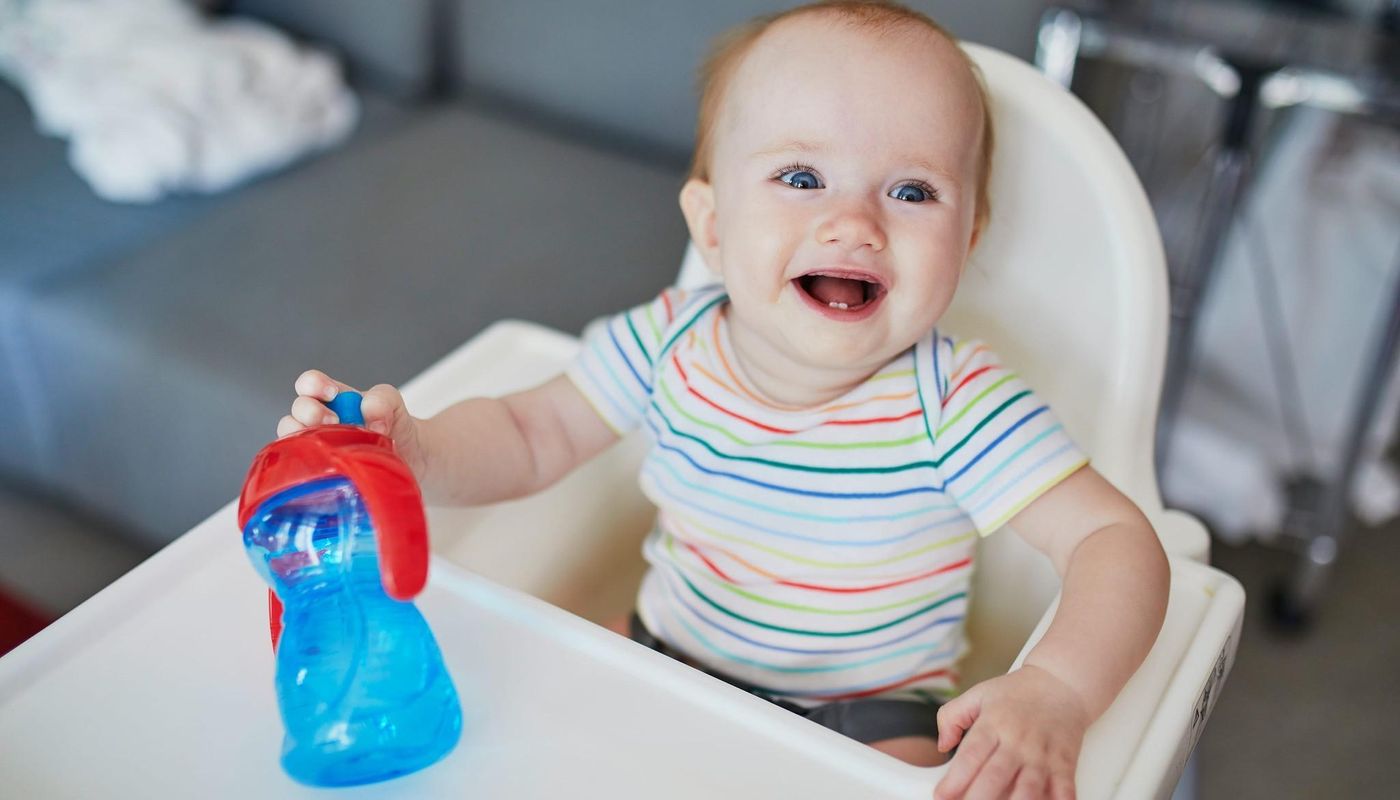
- Switch to a cup around age one. Many experts suggest weaning from the bottle between ages one and two, and WebMD's sippy cup guide shares tips for the move.
- Choose water over juice. On hot Gilbert afternoons, plain water in the sippy cup keeps teeth happy and kids hydrated.
How Baby Bottle Tooth Decay Treatment Works
Baby bottle tooth decay treatment depends on how far the decay has spread. Early spots may only need fluoride varnish (a quick, painted-on coating) and a few home care tips. Small cavities can be filled with tooth-colored materials. Larger ones may need a crown. Our team uses gentle, comfort-focused care, and you can see everything we offer on our services page. Some little ones need extra support, and we have hospital dentistry privileges at Phoenix Children's Hospital.
Frequently Asked Questions
Q: Can baby bottle tooth decay be reversed?
A: Very early white spots can sometimes harden again with fluoride and better habits. Once a cavity forms, a dentist needs to treat it.
Q: Does breastfeeding cause it?
A: Breastfeeding is wonderful for your baby. Decay is linked to long, frequent sugar exposure, especially overnight. Once teeth appear, a gentle wipe after night feedings helps.
Q: When should my child first see a dentist?
A: Experts recommend a visit when the first tooth appears, and no later than the first birthday.
Give Your Child a Comfortable Start
Baby bottle tooth decay is common, and it's very preventable. A few small habit changes can protect your child's smile. If you're ready for a positive, stress-free start, our team at Pediatric Dental Specialists is here to welcome you. Contact us today to book a visit at our Chandler, Gilbert North, or Gilbert South office.